

Embarking on a ketogenic diet can feel like venturing into uncharted territory, full of promise and pitfalls. When I decided to switch to a keto lifestyle, I was eager to reap the benefits touted by many—enhanced mental clarity, improved mood stability, and reduced anxiety. However, I quickly discovered that this journey is also peppered with unexpected side effects, both positive and negative.
In this blog, I will share my personal experiences navigating the complex landscape of the ketogenic diet, shedding light on the remarkable highs and challenging lows that come with this nutritional approach. Whether you’re a seasoned keto enthusiast or a curious newcomer, I hope my story provides valuable insights and helps you make informed decisions about your own dietary journey, especially in relation to mental health.
I am going to alternate between highs and lows to keep it more balanced.
The First High: Achieving Steady Energy Levels

One of the most remarkable early benefits I experienced on the ketogenic diet was a newfound stability in my energy levels. Before embarking on this journey, my days were often a rollercoaster of energy spikes and crashes, leaving me feeling drained and sluggish by mid-afternoon. I quit drinking caffeine months ago, so I didn’t even have the wonderful pick-me-up of a caffeinated beverage when I had these energy slumps.
In this first week, as my body adjusted to burning fat for fuel instead of carbohydrates, I noticed a significant shift. I found myself with a steady stream of energy that carried me through the day. This newfound vitality wasn’t just physical; it had a profound impact on my mental health as well. With more stable energy levels, I felt more focused, less irritable, and better equipped to handle daily stresses.
This stability in energy levels can be attributed to the way the ketogenic diet works. By drastically reducing carbohydrate intake and increasing healthy fats, the body enters a state of ketosis, where it efficiently burns fat for fuel. This process provides a more consistent energy source compared to the quick, fleeting bursts that come from carb-heavy meals.
For me, this was a game-changer. Not only did I feel more productive and engaged throughout the day, but I also noticed that this consistency made a huge difference in my overall quality of life, allowing me to enjoy activities and stay active without the constant worry of an impending energy crash.
The First Low: Battling Headaches from Electrolyte Imbalance

One of the first and most noticeable lows I encountered was a series of persistent headaches. These headaches, I knew, were a common side effect many experience when transitioning to keto, often caused by an electrolyte imbalance.
As my body adapted to a low-carb, high-fat regimen, it began to excrete more water and essential minerals like sodium, potassium, and magnesium. This shift can lead to dehydration and an imbalance in electrolytes, which in turn can cause headaches.
As I’ve been drinking a gallon of water or more a day, I’m quite sure it’s not that I’m dehydrated. Despite my drinking of pickle juice, I fear I’ve staggered into an electrolyte imbalance. After talking with my dietician, I ordered a sugar free electrolyte mix which I will be adding to my daily regimen to help with this.
Experiencing these headaches is undoubtedly a low point in my keto journey, but it also served as a valuable learning experience. It highlights the importance of proper nutrition and self-care, reminding me that while the ketogenic diet has its benefits, it also requires careful management and adjustment.
The Second High: Reducing Inflammation

One of the most profound benefits I’ve experienced on the ketogenic diet is a significant reduction in inflammation. For years, I’ve battled a chronic inflammatory condition that often left me feeling achy, fatigued, and generally unwell. Traditional treatments offered limited relief, and I was eager to find a more effective, long-term solution. Little did I know that switching to the ketogenic diet would provide the breakthrough I needed.
Inflammation is a natural response by the body to injury or infection, but when it becomes chronic, it can lead to various health problems, including autoimmune diseases, arthritis, and even heart disease. My condition, characterized by persistent inflammation, had been a constant source of discomfort and frustration. However, within the first week of adopting the keto lifestyle, I began to notice a remarkable improvement.
The ketogenic diet reduces inflammation through several mechanisms:
Reduction in Processed Foods: The ketogenic diet emphasizes whole, unprocessed foods, which naturally reduces the intake of inflammatory substances like refined sugars and trans fats. Eating more healthy fats, such as those found in avocados, nuts, and olive oil, also contributes to reduced inflammation.
Lower Insulin Levels: High-carb diets can cause spikes in blood sugar and insulin, which can promote inflammation. By drastically reducing carbohydrate intake, the keto diet helps maintain stable blood sugar and insulin levels, thereby reducing inflammatory responses.
Ketone Production: When the body enters ketosis, it produces ketones, which have been shown to possess anti-inflammatory properties. These ketones help modulate the immune response and reduce the production of pro-inflammatory molecules.
Since starting the keto diet, I’ve experienced a dramatic decrease in the symptoms associated with my inflammatory condition. The chronic pain and stiffness that once plagued my daily life have significantly diminished. I no longer wake up feeling sore and fatigued, and my overall sense of well-being has vastly improved. This reduction in inflammation has not only alleviated my physical symptoms but also boosted my mood and energy levels, allowing me to engage more fully in activities I enjoy.
The Second Low: Coping with Hypoglycemia
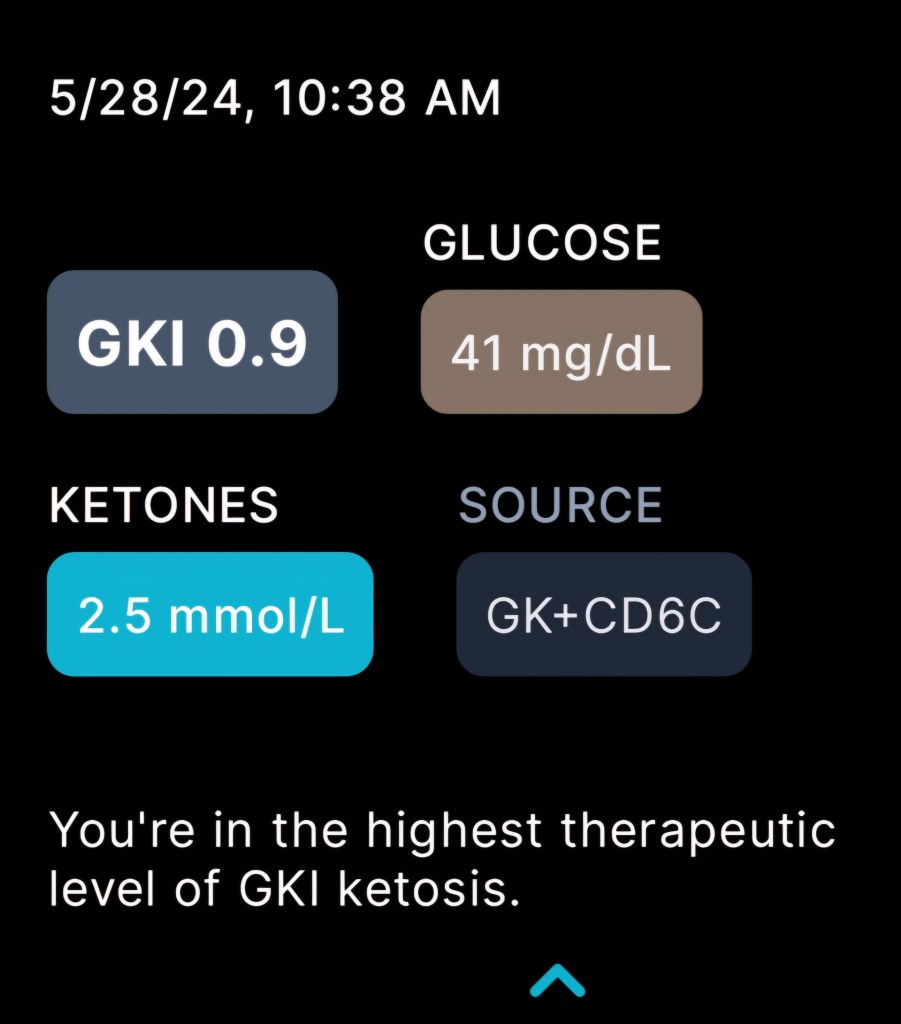
In this early stage of my ketogenic journey, I encountered a challenging hurdle that I hadn’t anticipated: hypoglycemia. As my body adjusted to the drastic reduction in carbohydrates and transitioned into ketosis, my blood sugar levels dropped unexpectedly. I felt fine, but when I tested my blood glucose and ketones, my monitor started beeping frantically telling me my blood glucose was dangerously low.
Hypoglycemia, or low blood sugar, occurs when the body’s glucose levels fall below normal. Typically, this condition is associated with high-carb diets, where fluctuations in blood sugar are common. However, on the ketogenic diet, where carbohydrates are severely restricted, the body must adapt to using fats and ketones as its primary fuel source, which can sometimes lead to temporary hypoglycemic episodes during the transition phase.
Initially, I was puzzled—I had assumed that by cutting out carbs, I would stabilize my blood sugar levels, not send them plummeting. It was a sobering reminder that every body reacts differently to dietary changes, and mine was still adjusting to the new fuel source.
Conclusion

My ketogenic journey has been a rollercoaster of highs and lows, challenges and triumphs, but through it all, I’ve emerged stronger, healthier, and more empowered than ever before. From the exhilarating rush of stable energy levels to the frustrating setbacks of hypoglycemia, each experience has taught me valuable lessons about resilience, patience, and the transformative power of dietary change.
As I reflect on my journey, I’m reminded of the incredible potential of the ketogenic diet to improve energy levels, inflammation, and mental health. It’s a journey that requires dedication, perseverance, and a willingness to listen to your body as it adapts to a new way of fueling itself.
If you’re considering embarking on your own ketogenic journey, I encourage you to do so with an open mind and a sense of curiosity. Embrace the highs and lows as part of the process, and trust that each experience, whether positive or challenging, is an opportunity for growth and self-discovery.
I invite you to join me on this journey by liking, commenting, sharing, and subscribing to my blog. Your support means the world to me, and together, we can inspire and empower others to embrace the ketogenic lifestyle and unlock the incredible benefits it has to offer.
Thank you for being a part of this community, and may your own ketogenic journey be filled with health, happiness, and endless possibilities. Here’s to embracing the journey and thriving every step of the way.

 Metabolic & Mental Health
Leave a comment