
Have you been reading here about the ketogenic diet and wondered if there’s a faster way to achieve its benefits? Enter intermittent fasting—a popular health trend that might just be the shortcut to ketosis you’ve been looking for. While the ketogenic diet focuses on consuming high fats and low carbs to shift your body into a state of ketosis, intermittent fasting can help you get there more quickly by simply adjusting when you eat.
In this blog, I’ll explore how intermittent fasting can accelerate your journey into ketosis, the metabolic state where your body burns fat for fuel instead of carbohydrates. We’ll dive into the science behind fasting and ketosis, examine the potential benefits, and provide practical tips on how to integrate intermittent fasting into your routine to achieve ketosis faster.
Ready to discover how intermittent fasting can be your shortcut to ketosis? Let’s get started!
Understanding Ketosis

We are finally going to get a little more detail about what ketosis is and why it matters. As we’ve previously covered, ketosis is a metabolic state where you body burns fat for fuel instead of glucose (sugar). As your body enters ketosis, it begins creating ketones.
But what exactly are ketones and how does the body make them? Ketones are actually acids. Don’t be alarmed! Our body makes and uses all kinds of acids in its daily activities, not just in our stomachs. Ketones are actually a byproduct of the fat burning process as the body breaks down fat stores (from food or your body). More specifically, the body is breaking down triglycerides to make glucose and ketones are the byproduct of that process.
The ketogenic diet induces ketosis by reducing carbohydrates, which gets turned into glucose (sugar) in the body, to a point that the body instead uses the high fat in your diet (and/or in your body) to develop that ketone byproduct that our bodies are more than happy to use for fuel. So where does intermittent fasting come in?
What Is Intermittent Fasting?
Intermittent fasting is not so much about what you eat, but rather when you eat. It’s an eating pattern that cycles between periods of fasting and eating. Unlike traditional diets that focus on specific foods and calorie counting, intermittent fasting is all about timing.

Different Methods of Intermittent Fasting
There are several popular methods of intermittent fasting, each with its own unique approach to meal timing:
- 12/12, 14/10, or 16/8 Method: This is one of the most common methods, where you fast for 12, 14, or 16 hours each day and restrict your eating to an 12-, 10-, or 8-hour window. For example, you might eat only between 12 p.m. and 8 p.m. and fast for the remaining 16 hours for the 16/8 method.
- 5:2 Diet: In this method, you eat normally for five days of the week and restrict your calorie intake to about 500-600 calories on the remaining two days.
- Eat-Stop-Eat: This approach involves fasting for a full 24 hours once or twice a week. For instance, you might finish dinner at 7 p.m. and not eat again until 7 p.m. the next day.
- Alternate-Day Fasting: As the name suggests, this involves fasting every other day. Some variations allow for a small amount of food (about 500 calories) on fasting days.
How Intermittent Fasting Works
During fasting several changes take place in your body. This can be divided into two main categories, or at least I will here.
Insulin levels drop significantly, which facilitates fat burning. Lower insulin levels help your body access stored fat more easily. Sound familiar? Levels of Human Growth Hormone may increase as much as five-fold. Higher levels of this hormone facilitate fat burning and muscle gain, and have numerous other benefits.
Fasting triggers important cellular repair processes, such as autophagy, where cells remove and digest old and dysfunctional proteins that build up inside them. Fasting induces changes in the function of genes related to longevity and protection against disease.
Intermittent Fasting and Ketosis
By cycling between periods of eating and fasting, intermittent fasting allows your body to use stored energy more efficiently. This eating pattern not only helps with weight management but also offers numerous health benefits, including improved metabolic health, better brain function, and potentially, a longer lifespan.
In the context of achieving ketosis, intermittent fasting can be a powerful tool. By extending the time your body goes without food, you can deplete your glycogen stores more quickly, forcing your body to switch to burning fat for energy and producing ketones. This makes intermittent fasting an effective strategy for those looking to achieve ketosis faster and enjoy the associated mental and physical benefits.
Practical Tips and Personal Experience with Intermittent Fasting and Ketosis
Tip #1- Choose the right intermittent fasting for your lifestyle.
I chose the 16-8 method for the beginning. I typically eat between 11 a.m. and 7 p.m. and fast the rest of the time. Basically, I skip breakfast, which means I have to get all my calories and macros in a 8 hour window. That can be challenging at times.
Tip #2- You don’t have to jump in headfirst.

What I mean by this is you can ease into whichever fasting method you choose. For example, if you choose the same one as I did, you can start with a wider eating window such as 12-14 hours and work your way down an hour or two at a time until you reach your 8 hour eating window.
Tip #3- Stay hydrated and incorporate electrolytes.
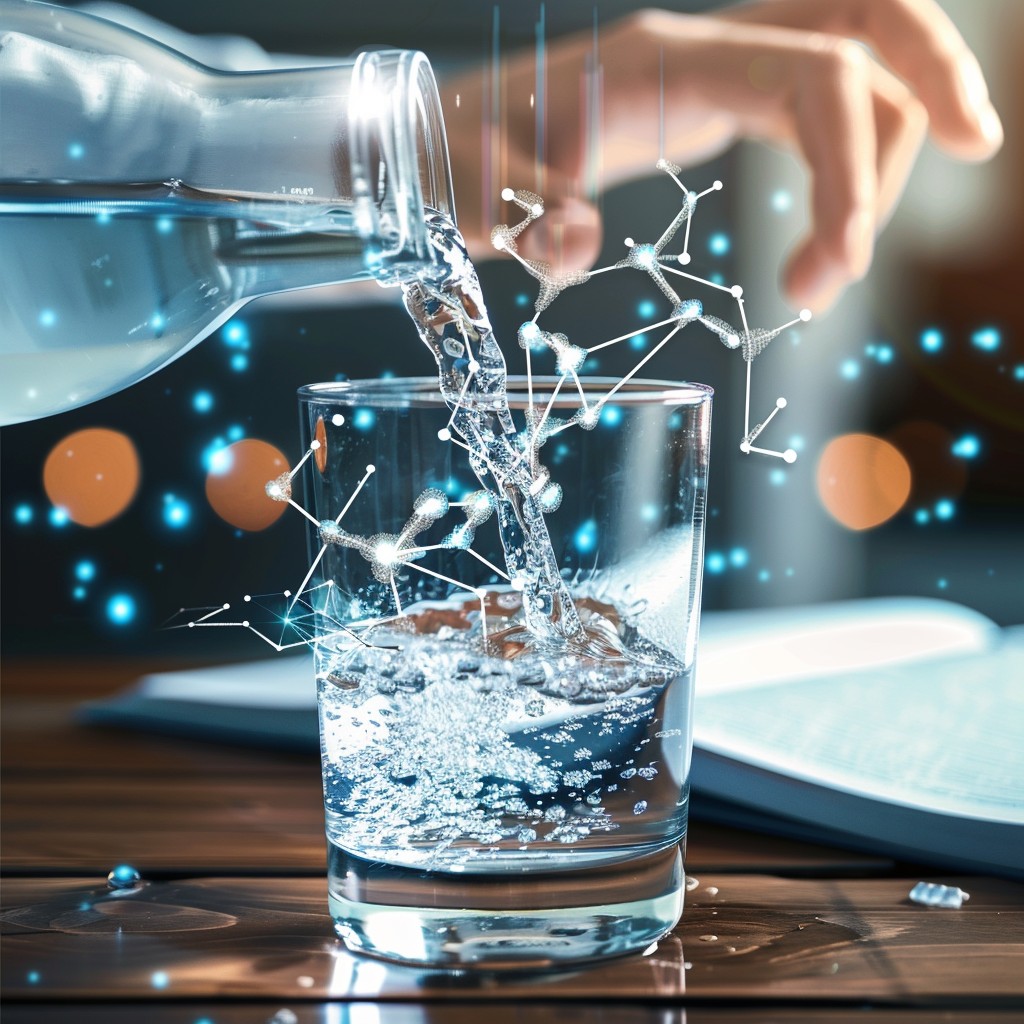
This is necessary for both the ketogenic diet and intermittent fasting. The reason being, insulin tells your liver to hold onto electrolytes and water so when you have less, your body just flushes it out. You have to replenish these stores with some extra water and electrolytes.
Tip #4- Monitor your progress and make adjustments.
You can monitor your progress with a ketone monitor to see how it impacts your ketone levels. You can keep a journal of how you feel. No matter what method you use, you can make adjustments from there.
Tip #5- The hunger adjusts to your feeding window over time.
If you typically eat three meals and multiple snacks a day, cutting that feeding window is going to lead to some hunger at first. Your body will adjust in a week or two to your new schedule. Bodies are creatures of habit, but they can adjust.
Tip #6- This doesn’t have to be permanent, but it can be.
I probably won’t be intermittent fasting forever. I’m just using it to get into ketosis faster and hopefully avoid some keto flu symptoms. You may find you enjoy it, and if so, great, but you don’t have to commit to it long term.
Conclusion
Intermittent fasting can be a powerful tool to help you achieve ketosis more quickly and enjoy the benefits of a ketogenic lifestyle. By simply adjusting when you eat, you can accelerate your body’s transition into fat-burning mode, enhance your metabolic health, and potentially improve your mental health. Whether you choose the 16/8 method, the 5:2 diet, or another fasting approach, combining intermittent fasting with a ketogenic diet can offer a synergistic effect, making it easier to reach and maintain ketosis.
Remember, everyone’s body is different, and what works for one person might not work for another. It’s important to listen to your body and consult with healthcare professionals before making significant changes to your eating patterns.
I hope this blog has provided you with valuable insights into how intermittent fasting can serve as a shortcut to ketosis. If you found this information helpful or have any questions, please like this post and leave a comment below. I’d love to hear your thoughts and experiences. Happy fasting, and here’s to your health!

 Metabolic & Mental Health
Leave a comment